

Cupping Gallery
$$MultiPurposeText$$
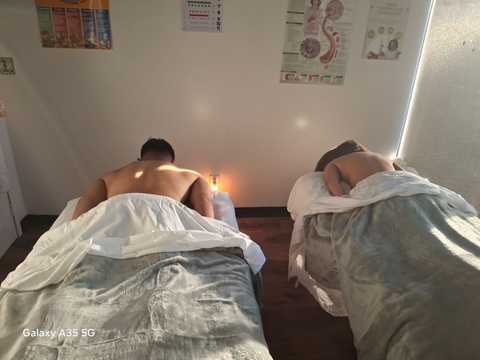
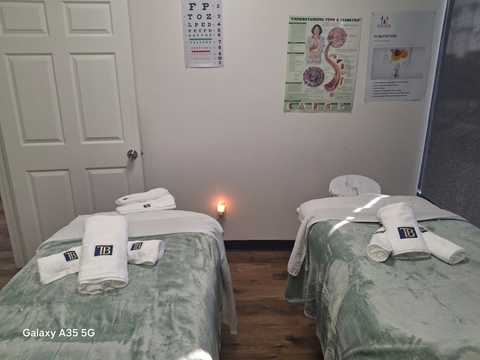
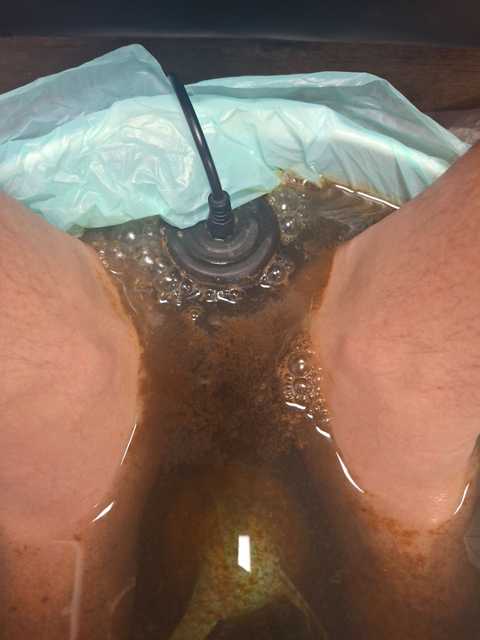
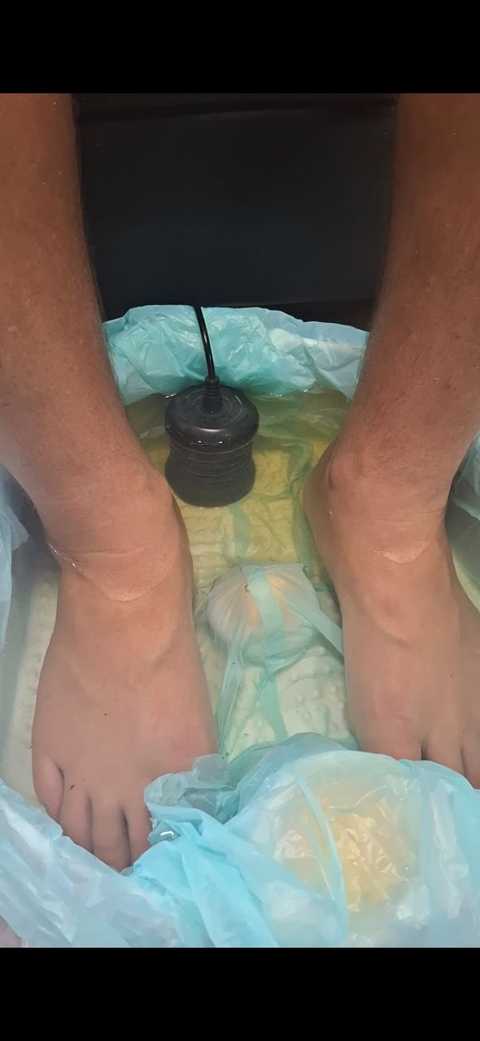
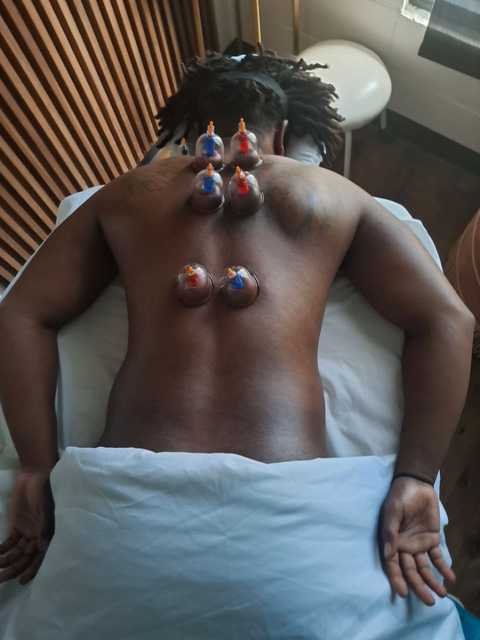
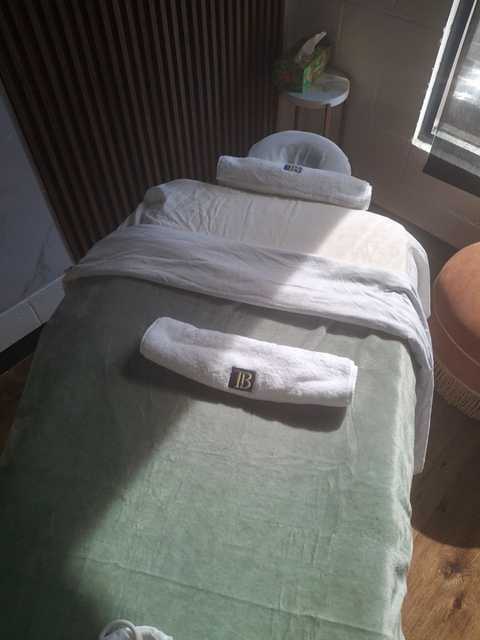
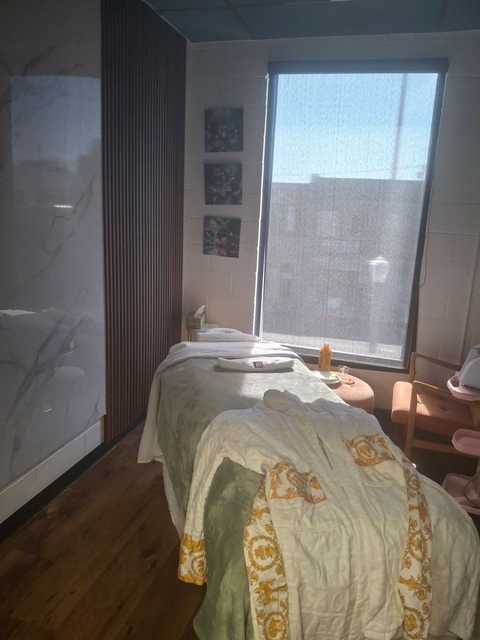
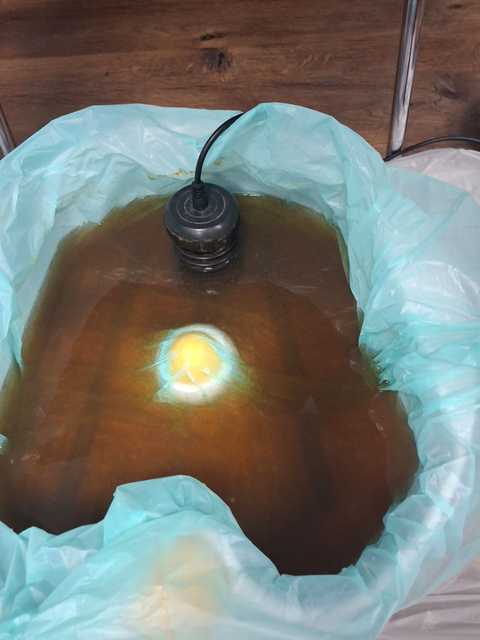
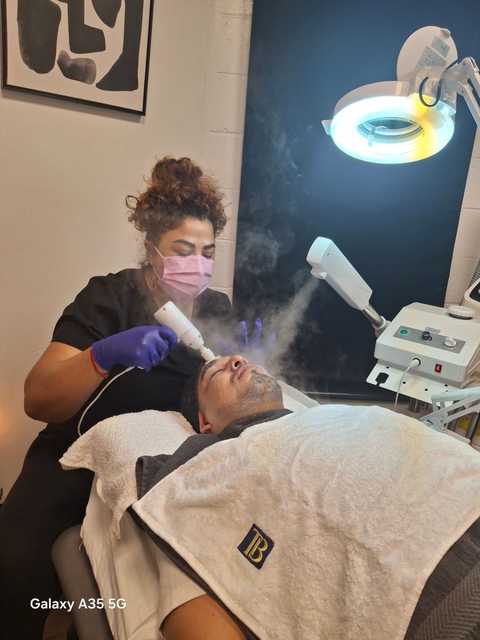
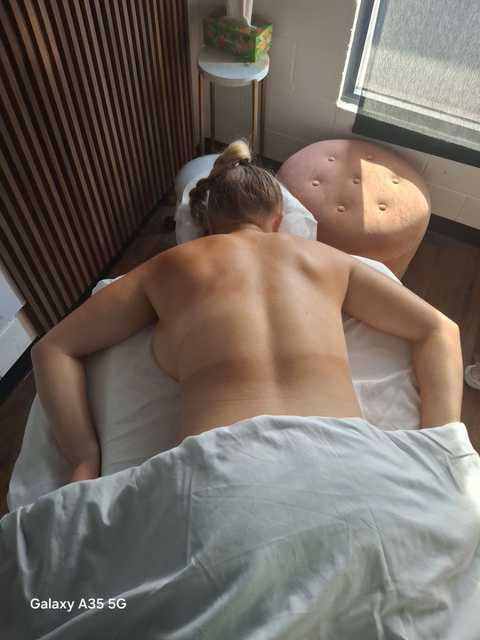
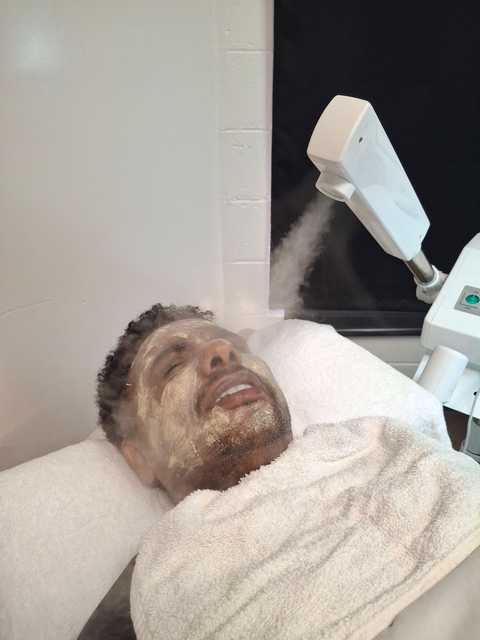
See examples of our Cupping work and results.






What Our Clients Say
$$MultiPurposeText$$
Read testimonials from our satisfied customers

Amazing massage! I was having so much pain in my neck and feet and it was amazing!

Tiana therapeutic bodywork is a fantastic place to get a massage. The lobby is warm and ni...more

Excellent body work. Extremely knowledgeable and skilled and very caring. Clean, spa atmos...more

/5 Stars - The best sports massage I’ve ever had.As someone who trains hard, I am very pic...more

It was a great experience! Very peaceful and healing. Will return soon!

(Translated by Google) I received a deep tissue massage from Tiana and it was great. I rea...more

Frequently Asked Questions
Get answers to common questions about Cupping.
Yes. Our trained therapists perform a brief consultation and skin check before treatment. Cupping is generally safe, though minor bruising or redness can occur. Adjustments are made for comfort and individual health needs.
Cupping enhances massage by accessing deeper fascial layers and releasing adhesions that hands alone might miss. Therapists integrate cupping to maximize tissue release, mobility, and longer-lasting results when combined with therapeutic massage.
Circular marks or mild bruising are common and typically painless. Their intensity depends on suction and tissue condition, and they usually fade within three to ten days with proper hydration and rest.
Spacing depends on intensity and goals; most clients schedule cupping one to two weeks apart. Athletes or acute cases may require more frequent sessions initially, while maintenance treatments can be less frequent.
Cupping is not recommended for those with blood clotting disorders, on anticoagulants, active skin infections, open wounds, or uncontrolled hypertension. Pregnant clients should avoid abdominal and pelvic cupping. Consult your physician if unsure.
You’ll lie comfortably while the therapist applies cups to targeted areas using suction. Sessions last several minutes per area. Expect a gentle pulling sensation, possible brief discomfort, and post-treatment warmth or mild tenderness.