

Heat Lamp Gallery
$$MultiPurposeText$$
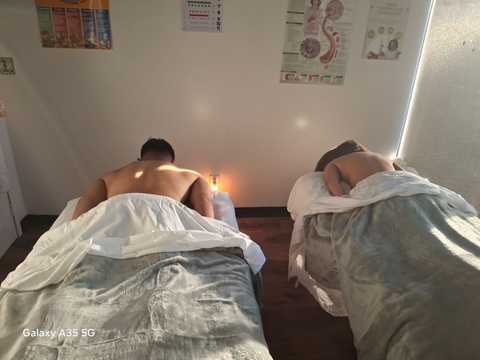
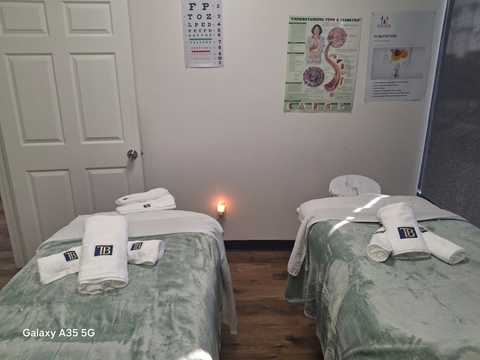
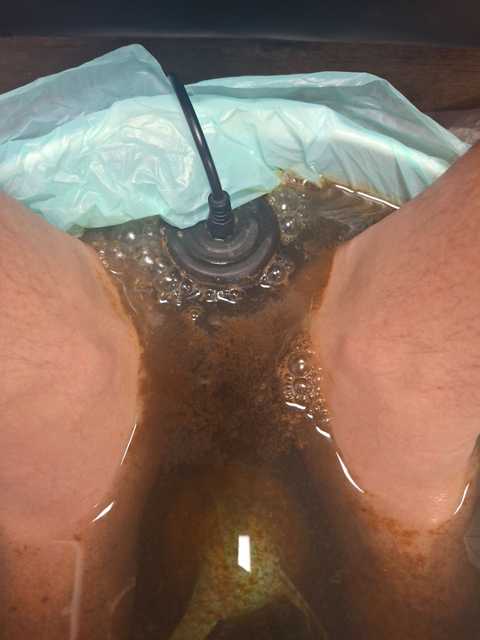
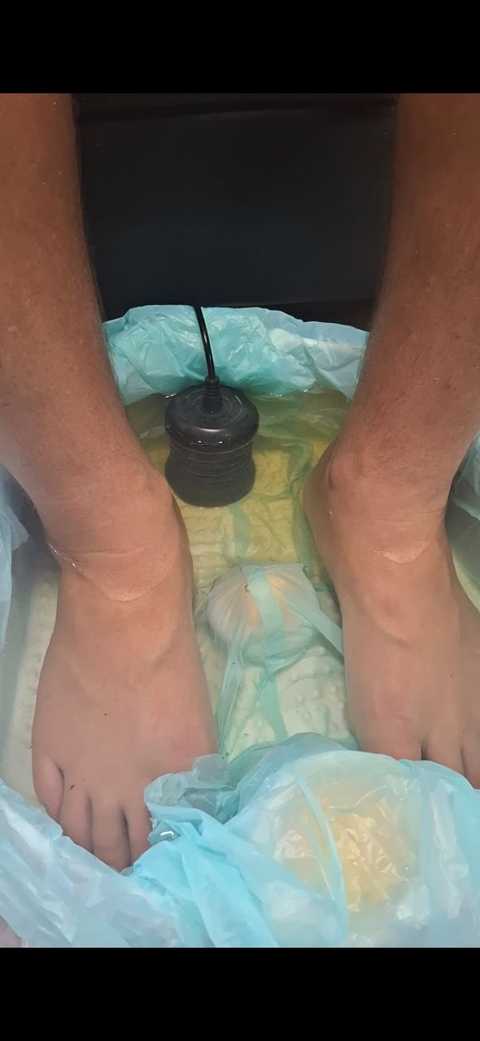
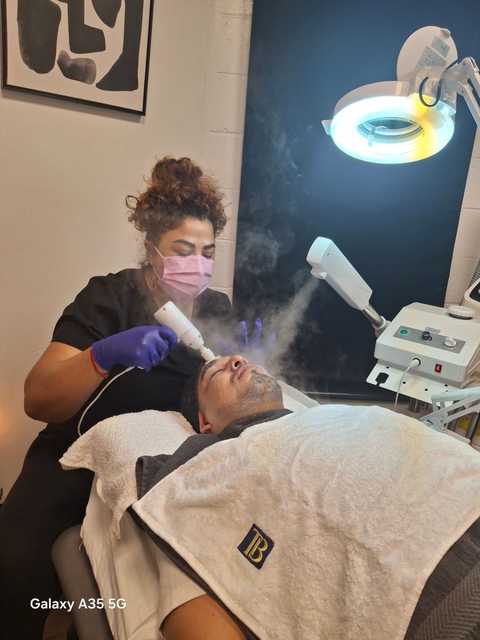
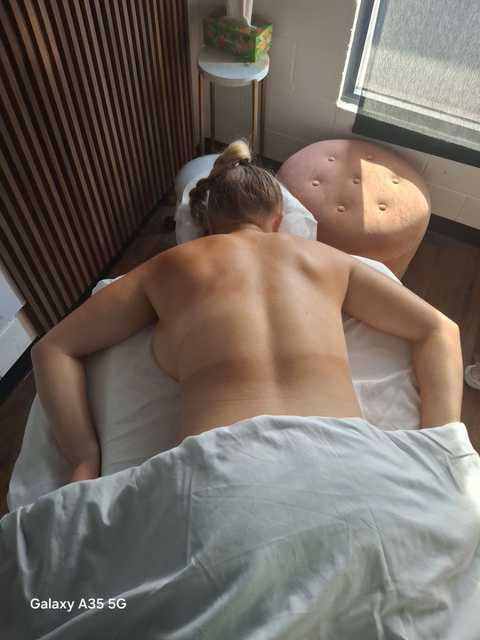
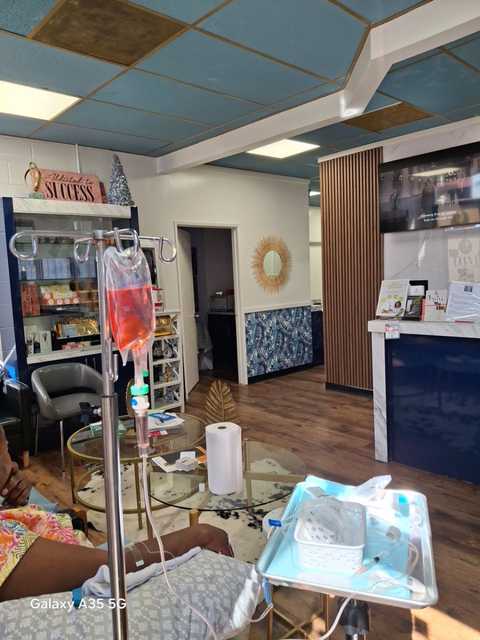
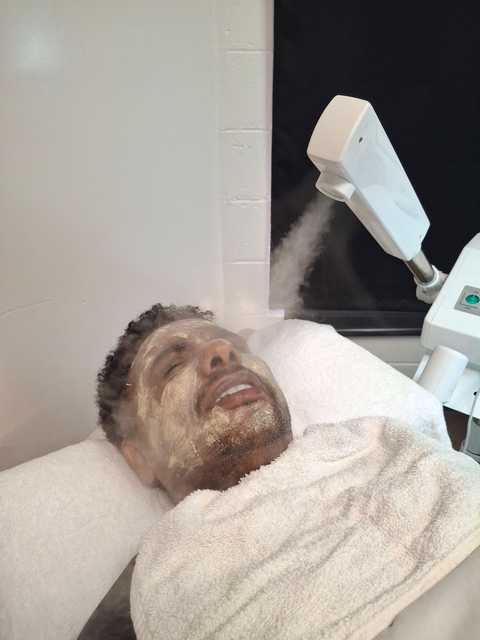
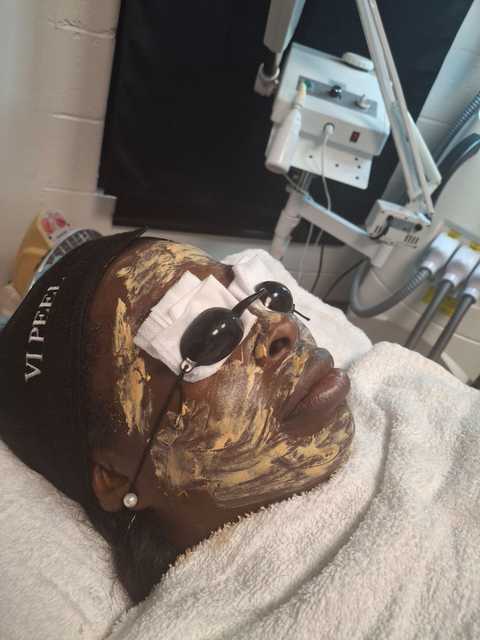
See examples of our Heat Lamp work and results.






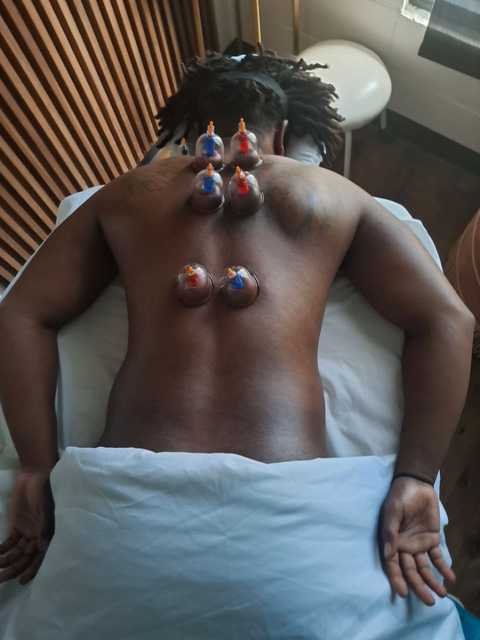
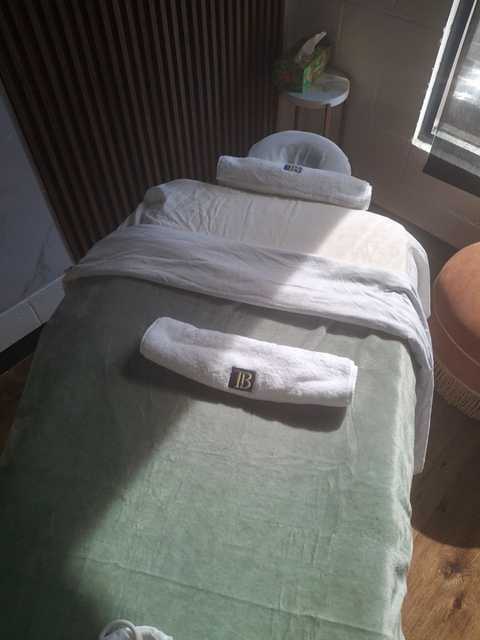
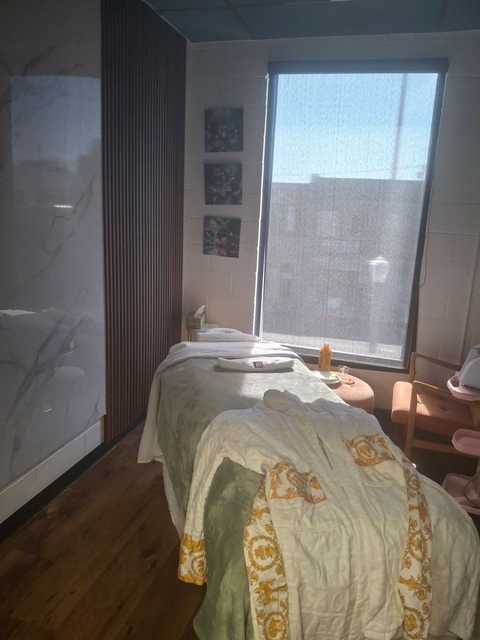
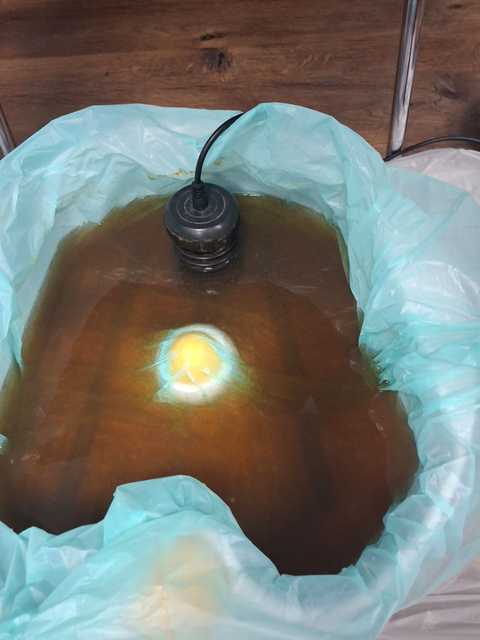
What Our Clients Say
$$MultiPurposeText$$
Read testimonials from our satisfied customers

Amazing massage! I was having so much pain in my neck and feet and it was amazing!

Tiana therapeutic bodywork is a fantastic place to get a massage. The lobby is warm and ni...more

Excellent body work. Extremely knowledgeable and skilled and very caring. Clean, spa atmos...more

/5 Stars - The best sports massage I’ve ever had.As someone who trains hard, I am very pic...more

It was a great experience! Very peaceful and healing. Will return soon!

(Translated by Google) I received a deep tissue massage from Tiana and it was great. I rea...more

Frequently Asked Questions
Get answers to common questions about Heat Lamp.
Heat lamp therapy is generally safe for most people, but we screen for contraindications like open wounds, recent sunburn, active infection, or certain chronic conditions. Inform your therapist about medications, circulatory issues, or pregnancy to ensure a safe, customized application.
Heat lamp add-ons are typically applied for 10–20 minutes during a session, depending on your therapist's assessment and treatment goals. Timing balances comfort and tissue warming while avoiding overheating; your therapist will adjust duration to suit sensitivity and therapeutic needs.
Yes. Heat lamp works synergistically with massage, stretching, and manual therapies to loosen tissues and enhance technique effectiveness. Therapists integrate it selectively based on client needs, ensuring appropriate timing and intensity for safe, improved results.
Many clients notice immediate warmth and a sense of loosening as blood flow increases, often experiencing short-term pain relief. Longer-lasting benefits typically require a course of treatments combined with manual therapy and home care recommendations.
Risks are minimal when used properly: temporary redness, increased sensitivity, or mild skin irritation. Serious issues are rare but can occur with overheating. Therapists monitor temperature and duration, and you should report discomfort immediately to prevent burns or adverse reactions.
No special preparation is usually required, but avoid heavy lotions or recent topical treatments on the targeted area. Wear comfortable clothing and inform the therapist of medications, skin conditions, or implants. Hydration and open communication ensure a safe, effective experience.