

Massage Gun Gallery
$$MultiPurposeText$$
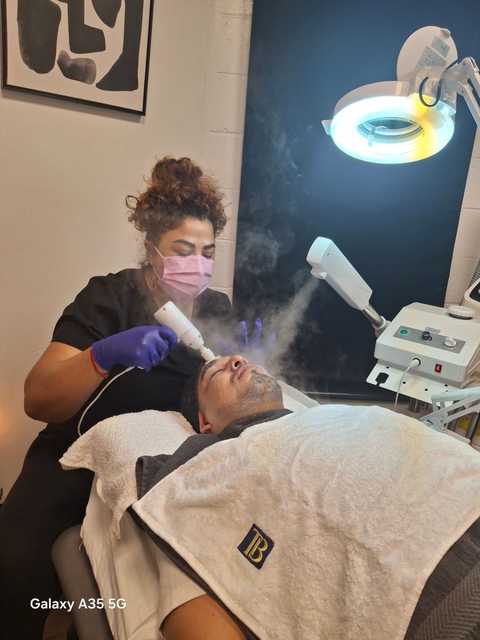
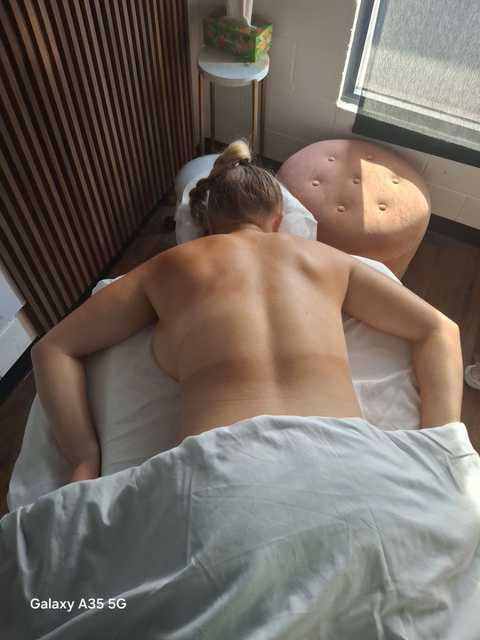
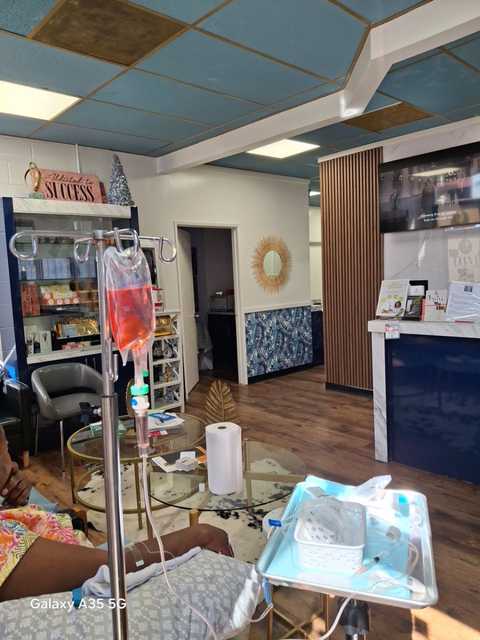
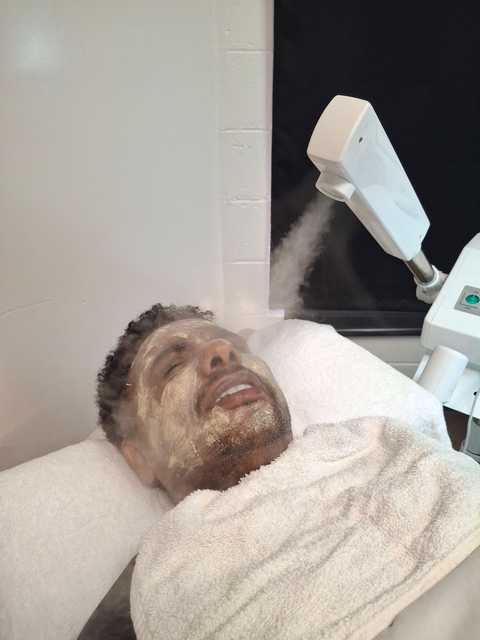
See examples of our Massage Gun work and results.


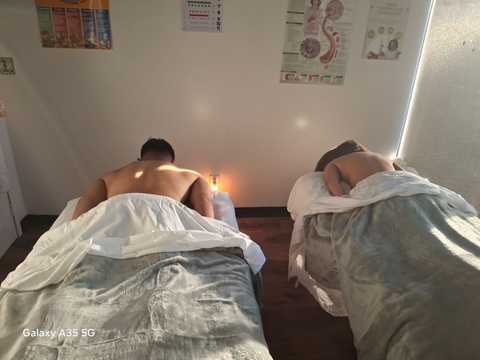


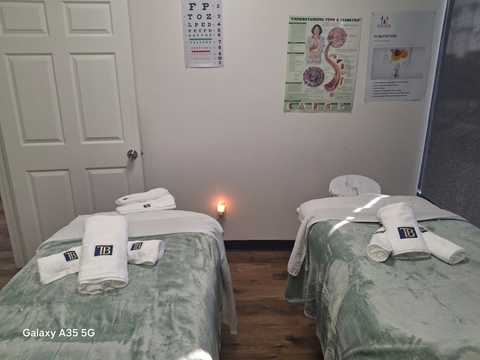


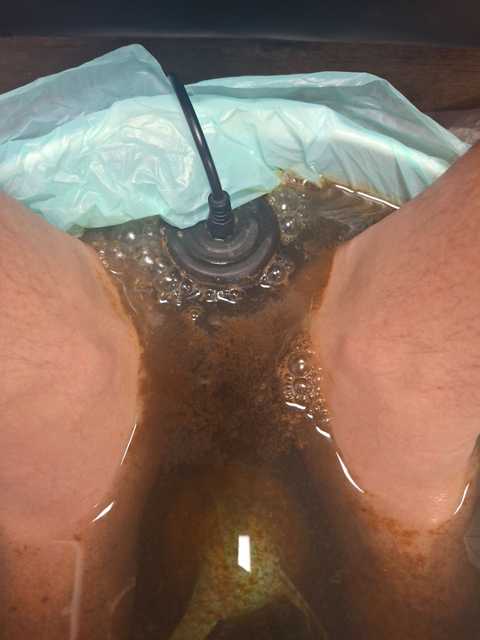
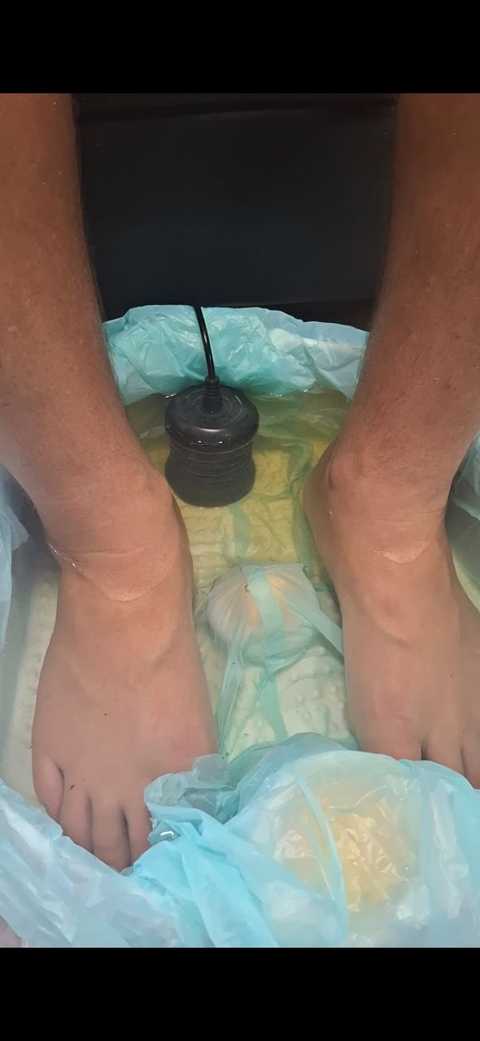
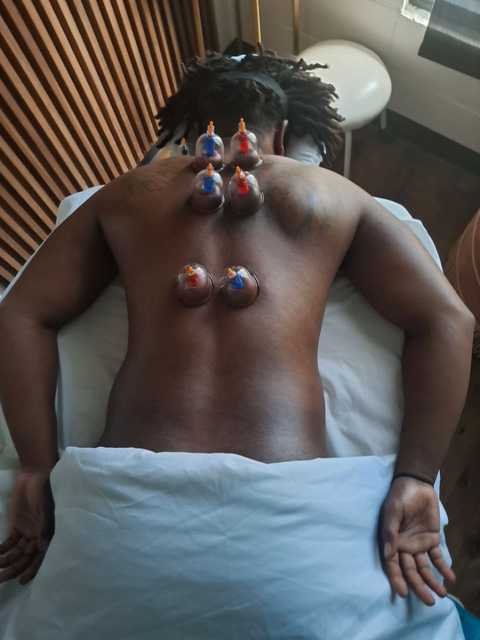
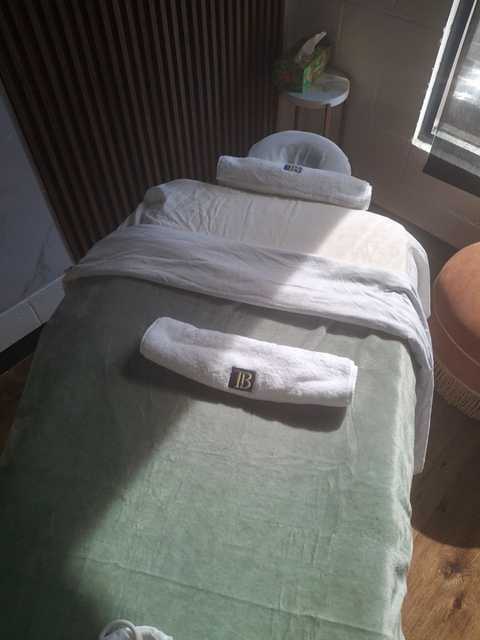
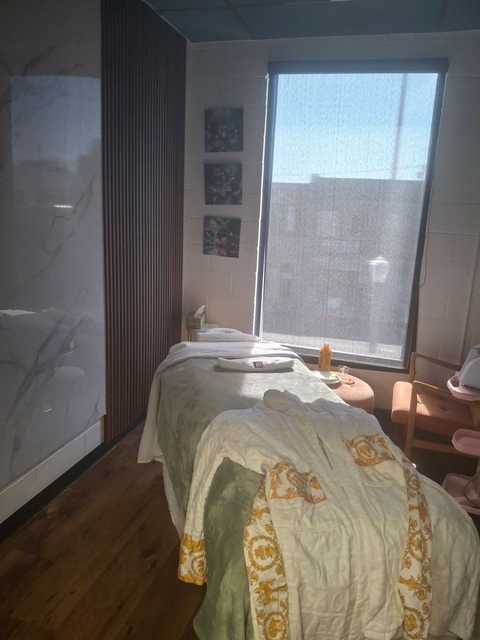
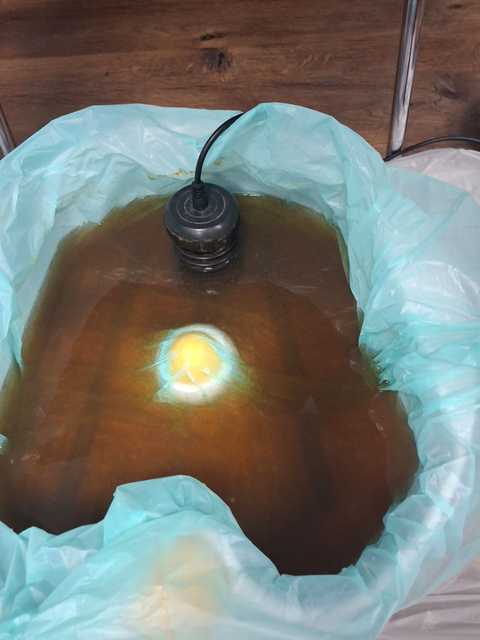
What Our Clients Say
$$MultiPurposeText$$
Read testimonials from our satisfied customers

Amazing massage! I was having so much pain in my neck and feet and it was amazing!

Tiana therapeutic bodywork is a fantastic place to get a massage. The lobby is warm and ni...more

Excellent body work. Extremely knowledgeable and skilled and very caring. Clean, spa atmos...more

/5 Stars - The best sports massage I’ve ever had.As someone who trains hard, I am very pic...more

It was a great experience! Very peaceful and healing. Will return soon!

(Translated by Google) I received a deep tissue massage from Tiana and it was great. I rea...more

Frequently Asked Questions
Get answers to common questions about Massage Gun.
A professional massage gun delivers rapid percussive pulses that penetrate muscle tissue, disrupting adhesions and increasing circulation. This vibration promotes relaxation, reduces soreness, and restores mobility. Treatments are adjusted for pressure, frequency, and area to match your comfort and therapeutic goals.
Most clients tolerate percussive therapy well, but it's not recommended for people with blood clots, recent fractures, open wounds, or certain neurological conditions. We assess health history and tailor intensity; consult your clinician if you have concerns before booking.
Wait at least 24–48 hours after a deep therapeutic massage unless your therapist advises otherwise. Combining modalities too soon can overwork tissues. If previous session was light, shorter intervals may be safe; always follow therapist guidance.
Mild soreness or temporary redness can occur, especially when treating tight, sensitive areas. Bruising is uncommon with trained application. We use appropriate intensity and techniques to minimize risks; communicate any discomfort so we can adjust pressure or stop treatment.
Yes — Massage Gun is available as an add-on to most services. Let your therapist know when booking or upon arrival. We’ll integrate percussive therapy into your session for targeted relief while monitoring comfort and results throughout the treatment.
Frequency depends on goals: for recovery, daily short sessions on affected areas can help; for chronic tension, 2–4 times weekly works well. Your therapist will recommend scheduling and intensity based on your condition and response to treatment.