

Trigger Point Gallery
$$MultiPurposeText$$
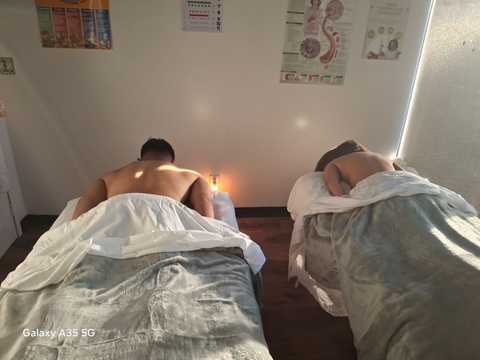
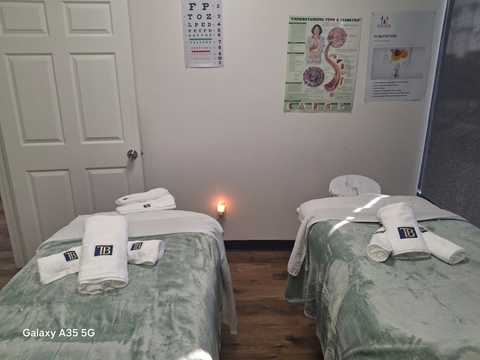
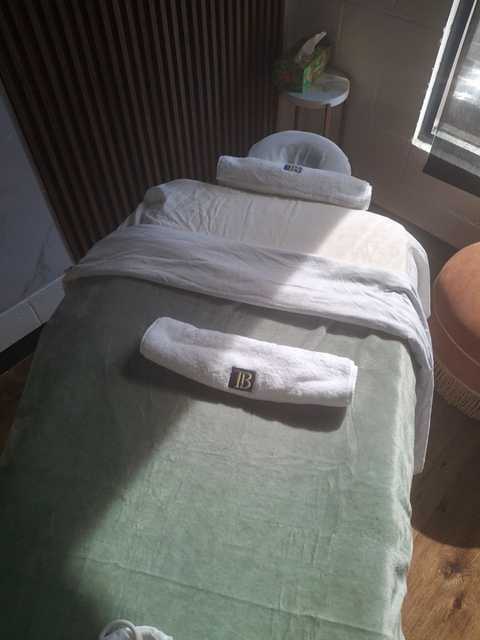
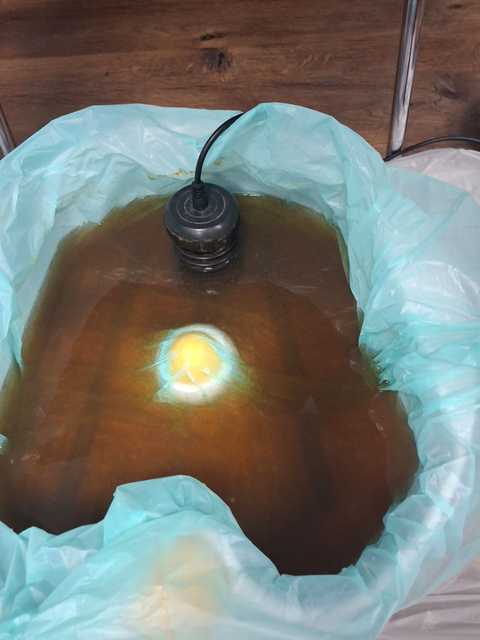
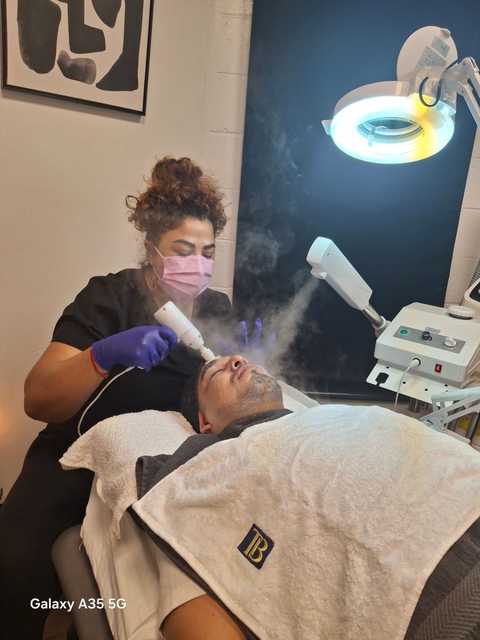
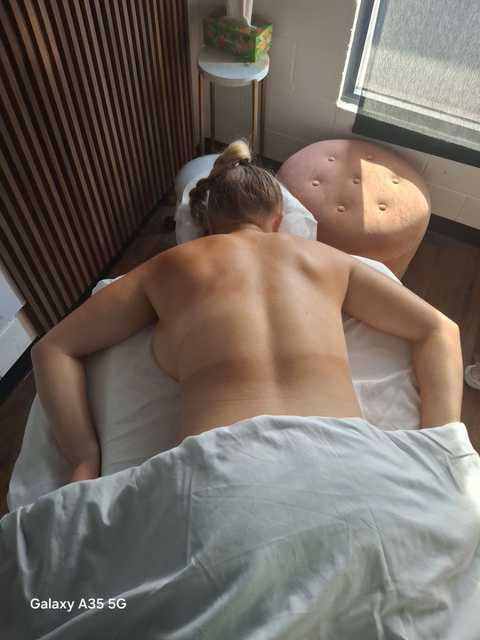
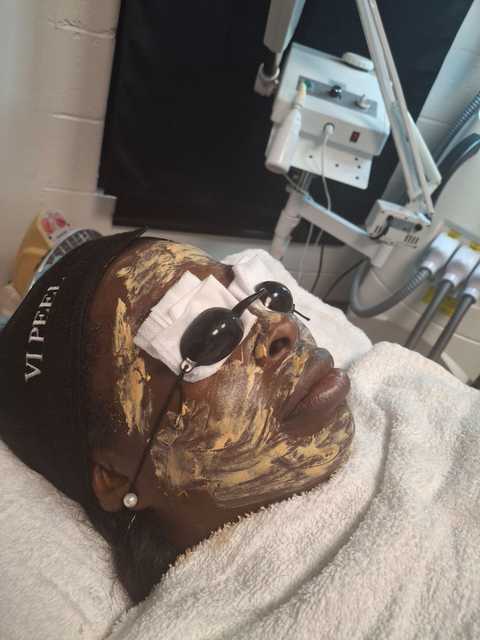
See examples of our Trigger Point work and results.











What Our Clients Say
$$MultiPurposeText$$
Read testimonials from our satisfied customers

Great massage, very in depth. Came out feeling like I’m floating. Super friendly and affor...more

Tiana therapeutic body work is amazing from the time you arrive you are greeted with a...more

Great massage it was awesome that she was available the same day in the evening that . :) ...more

Tiana was incredible! I've never had a massage like that before. With her amazing techniqu...more

Tiana did a wonderful job. My husband had been needing a massage for his back pain and he ...more

...more
Frequently Asked Questions
Get answers to common questions about Trigger Point.
Trigger Point therapy focuses on releasing specific hyperirritable spots within muscles rather than general relaxation. It uses sustained pressure and targeted techniques to deactivate knots, alleviate referred pain, and restore function in areas causing the most dysfunction.
You may feel pressure or brief discomfort when a trigger point is released, but pain is managed and controlled. Therapists adjust intensity, check your feedback, and offer breathing or positioning strategies to keep you comfortable throughout the session.
Frequency depends on injury chronicity and lifestyle factors. Acute issues can improve in one to three visits; chronic patterns often require a series of three to eight sessions combined with home exercises and posture work for lasting change.
Contraindications include deep vein thrombosis, active infections, recent fractures, uncontrolled hypertension, or certain skin conditions. Always disclose medical history and medications so your therapist can screen and modify treatment safely.
You may experience immediate increased mobility and relief, along with mild soreness or fatigue for 24 to 48 hours. Hydration, gentle stretching, and rest help recovery; benefits often become more noticeable over subsequent days.
Yes—releasing trigger points in neck, shoulders, and upper back often reduces referred pain and tension-type headaches. Results vary, and best outcomes come from combined treatment, ergonomic adjustments, and home self-care between sessions.